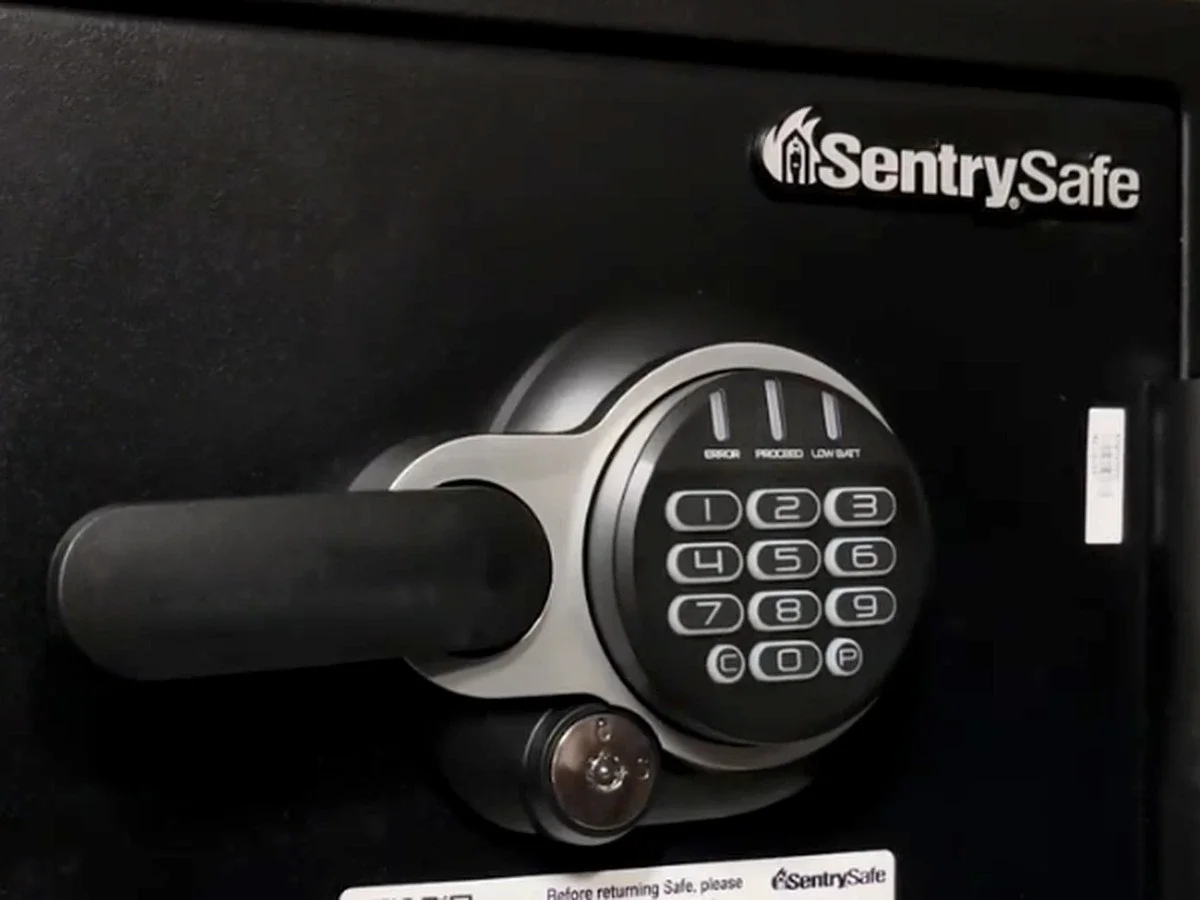
A safe that won't open can be frustrating, especially when you're entering the correct combination or code. Dead batteries, incorrect code entry, temporary lockout modes, or jammed locking mechanisms can all prevent access. Sometimes the problem is simple to fix, while other issues require professional attention.
Before forcing the handle or trying to reset the lock, it's important to understand what's causing the problem. While some issues can be resolved with basic troubleshooting, problems involving damaged locks or stuck mechanisms may require safe repair to restore access without causing unnecessary damage. This guide explains the common causes, what you can safely check, and when to seek professional help.
Why Won't My Safe Open Even With the Correct Code?
If your safe won't open with the correct code, the problem may be weak batteries, a temporary electronic lockout, pressure on the locking bolts, or a mechanical failure. Even a small mistake in the entry sequence can prevent access. The cause depends on the type of lock and how the safe responds when you try to open it.
For electronic safes, a keypad may accept your code but fail to release the lock if the batteries are too weak. Mechanical safes can develop problems with the dial, handle, or internal locking components.
Pay attention to whether the keypad responds, the dial turns normally, or the handle feels stuck. These symptoms can help narrow down the problem.
6 Common Reasons Your Safe Won't Open
Understanding what's preventing your safe from opening can help you avoid unnecessary damage. Here are six common causes and the warning signs to look for.
1. Dead or Weak Batteries in an Electronic Safe
If your digital safe keypad isn't responding, weak or dead batteries may be the cause. In some electronic locks, the keypad can still light up or beep even when there isn't enough power to release the locking mechanism.
If your safe beeps but won't open, check the manufacturer's battery replacement instructions. Battery types and replacement procedures vary by model.
2. Incorrect Combination or Code Entry
Even when you remember the correct combination, entering it incorrectly can prevent the safe from opening.
Mechanical dial locks often require a specific turning sequence, including the number of rotations and direction of each turn. Electronic locks may also require a confirmation key after entering the code.
Check your safe's operating instructions and carefully repeat the correct sequence.
3. Temporary Lockout After Repeated Incorrect Attempts
Many electronic safes have a security feature that temporarily disables the keypad after several incorrect code attempts.
During this lockout period, the safe may beep, flash an indicator, or stop responding to additional entries.
If you suspect a temporary lockout, stop entering codes and wait for the period specified in your safe's manual. Repeated attempts may extend or restart the lockout on some models.
4. Jammed Locking Bolts or Pressure on the Safe Door
A safe lock can release correctly while the door remains stuck. This may happen when stored items press against the door or something interferes with the locking bolts.
If the safe door is stuck closed, avoid pulling or forcing the handle. Excessive pressure can damage the locking mechanism.
The safe's manufacturer may provide model-specific instructions for relieving door pressure safely.
5. Safe Handle Won't Turn or Door Is Stuck
If your safe handle won't turn, the problem may involve the locking bolts, handle mechanism, or a lock that hasn't fully released.
A handle that moves slightly but stops may indicate resistance within the mechanism. If the handle turns but the door stays closed, the issue could involve door alignment or internal obstruction.
Avoid forcing the handle. If it doesn't operate normally, the mechanism may need professional inspection.
6. Worn or Damaged Safe Lock Components
Safe locks contain moving parts that can wear or become misaligned over time. Mechanical dials may become difficult to turn, while electronic locks can develop problems with their internal components.
Warning signs include unusual resistance, inconsistent unlocking, or a safe that requires several attempts to open.
If these problems continue, professional inspection can help determine whether the lock needs adjustment, repair, or replacement.
How to Troubleshoot a Safe That Won't Open
If your safe won't open, start with basic checks that won't damage the lock or door. Follow these steps to help identify the problem:
Identify your lock type. Determine whether your safe uses an electronic keypad, mechanical dial, or physical key. Each requires a different approach.
Check the manufacturer's instructions. Find your safe's model number and confirm you're following the correct code entry or dial sequence.
Check electronic safe batteries. If the keypad isn't responding, replace the batteries following the manufacturer's instructions. SentrySafe's battery replacement guide explains procedures for different models.
Check for a temporary lockout. Multiple incorrect code attempts can temporarily disable electronic locks. Wait for the period specified in your manual before trying again.
Observe how the lock responds. Check whether the keypad lights up or beeps, the dial turns smoothly, and the handle moves normally. These symptoms can help identify the issue.
Know when to stop. If the handle is stuck, the keypad remains unresponsive, or the safe still won't open, professional inspection may be necessary.
Important: Never force the handle, drill into the safe, remove lock components, or attempt unapproved reset procedures. These actions can cause further damage.
Why Won't My Safe Open After Basic Troubleshooting?
If your safe still won't open after checking the batteries, entry sequence, and lockout settings, the problem may involve a damaged lock or internal mechanism that requires professional attention.
Consider contacting a locksmith if:
The keypad remains unresponsive after replacing the batteries.
The handle or locking mechanism is jammed.
The battery compartment is inaccessible.
The safe repeatedly fails to open with the correct code or key.
The dial, keypad, or other lock components appear damaged.
A professional locksmith can assess the problem and determine the appropriate opening or repair method. Depending on the safe's design and condition, opening it without damage may not always be possible.
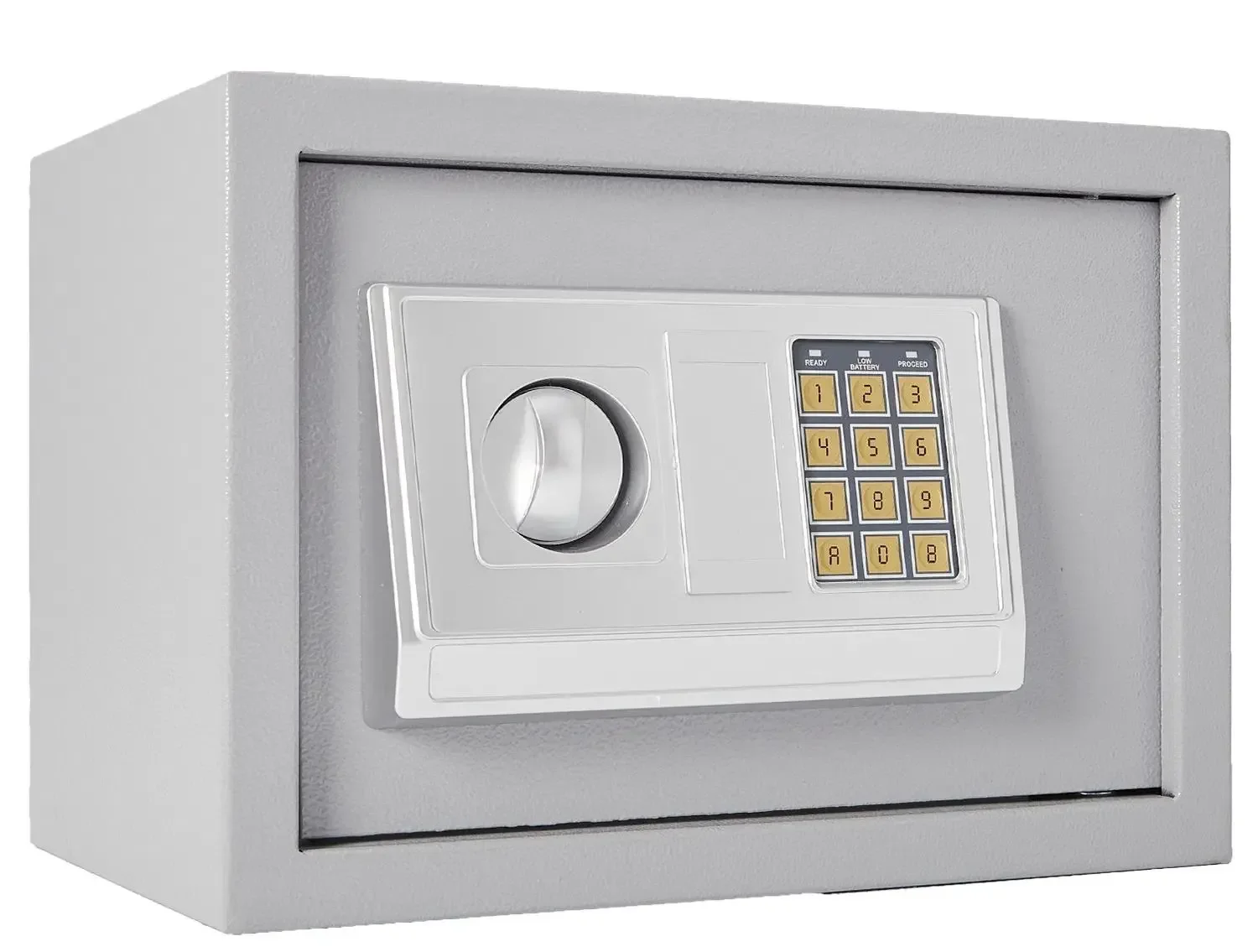
How to Prevent Your Safe From Getting Stuck Again
Regular maintenance can help prevent unexpected safe lockouts and keep the locking mechanism working properly. A few simple habits can reduce the risk of future problems:
Replace batteries regularly. Follow the manufacturer's recommended schedule for electronic safe locks rather than waiting for the keypad to stop responding.
Keep your combination secure. Store access codes or combinations in a secure location outside the safe, and update them when necessary.
Avoid overfilling the safe. Keep stored items from pressing against the door or interfering with the locking bolts.
Pay attention to warning signs. A stiff dial, loose handle, or inconsistent keypad response may indicate a developing problem.
If your safe starts behaving differently, address the issue before it becomes a complete lockout.
Frequently Asked Questions
-
Check the batteries if your safe has an electronic keypad, and confirm you're following the correct opening sequence. A temporary lockout or mechanical problem may also prevent access. If the problem continues, avoid repeated attempts and consider professional inspection.
-
A beeping keypad doesn't always mean the lock has released. Weak batteries, incorrect code entry, temporary lockout mode, or a faulty locking mechanism could be responsible. Check your safe's manual to understand what its beeps indicate.
-
Make sure you're using the correct key and check for visible damage or obstruction around the keyhole. Don't force the key if it won't turn. A damaged key or internal lock problem may require a locksmith.
-
Start by checking for obvious door pressure or an incomplete unlocking sequence. Avoid forcing the handle or attempting to disassemble the lock. If the door remains stuck, a professional locksmith can inspect the mechanism and recommend a suitable solution.
Final Thoughts: What to Do When Your Safe Won't Open
If you're wondering why your safe won't open, start by checking the batteries, combination, and lockout settings. These simple checks may resolve minor issues, but a jammed or damaged locking mechanism often requires professional attention.
Avoid forcing the safe open, as this can cause additional damage. If basic troubleshooting doesn't work, having a local safe locksmith in Payson inspect the problem can help identify the cause and determine whether the lock can be repaired or the safe needs professional opening.